First-Time Buyer Guide to Heating and Cooling Systems
First-Time Buyer Guide: What to Check in a House’s Heating and Cooling System Before Buying
Introduction
Purchasing your first home is a life-changing decision that combines excitement, anticipation, and a fair amount of responsibility. While it is natural to focus on visible features such as the kitchen design, flooring, or neighborhood appeal, many first-time buyers overlook one of the most essential systems in any property, the heating and cooling system. This system is responsible for maintaining indoor comfort throughout the year, whether you are dealing with freezing winters or intense summer heat.
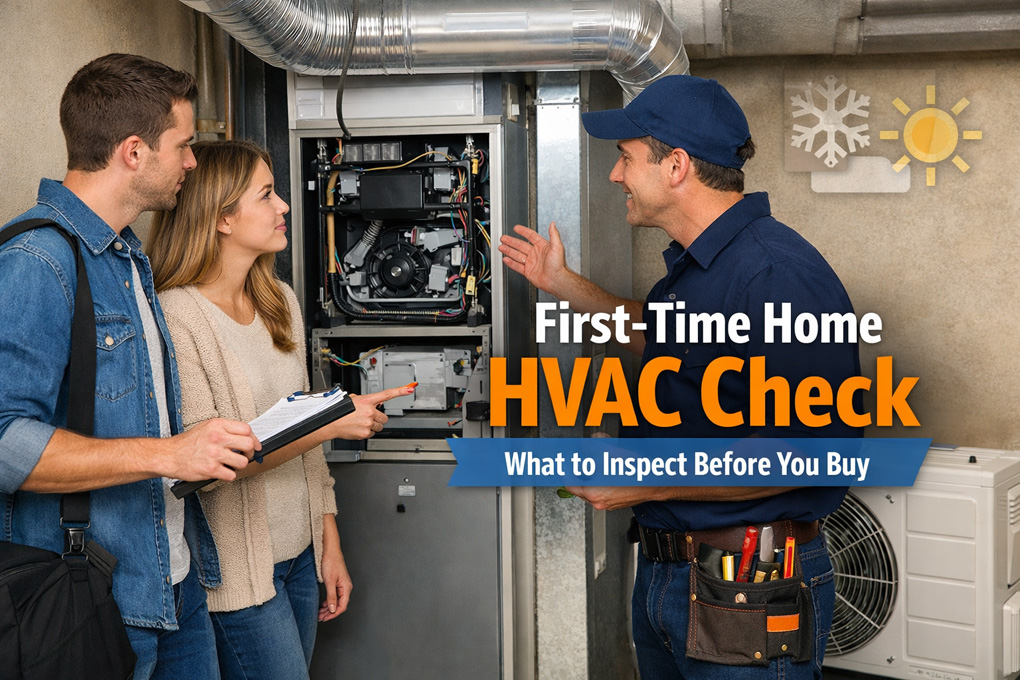
A well-functioning Heating, ventilation, and air conditioning (HVAC) system contributes not only to comfort but also to energy efficiency, indoor air quality, and long-term financial stability. On the other hand, a neglected or outdated system can quickly lead to high utility bills, frequent repairs, and even health concerns due to poor air circulation. For this reason, understanding how to properly evaluate a home’s heating and cooling system before making a purchase is absolutely crucial.
This comprehensive guide will walk you through the key areas to inspect, helping you avoid costly surprises and ensuring that your future home provides the comfort and efficiency you expect.
1. Understanding the Age, Type, and Overall Condition of the HVAC System
One of the first and most important steps when evaluating a home’s heating and cooling system is determining its age, type, and overall condition. HVAC systems are not permanent fixtures, and like any mechanical system, they gradually lose efficiency over time. Most systems have a lifespan that ranges between 10 to 20 years, depending on usage patterns and maintenance history.
When touring a property, you should ask the homeowner or real estate agent for specific details regarding the system. This includes the original installation date, the type of system installed, and whether any major components have been replaced or upgraded. Common types of systems include central air conditioning units, gas or electric furnaces, heat pumps, and ductless mini-split systems. Each of these comes with its own advantages, efficiency levels, and maintenance requirements.
An older system is not necessarily a reason to walk away from a property, but it should influence your financial planning. If the system is nearing the end of its expected lifespan, you may need to prepare for a replacement sooner rather than later. In contrast, a newer system often indicates improved energy efficiency, better performance, and fewer immediate repair concerns, making it a valuable asset in any home.
2. Assessing Airflow, Ventilation, and Ductwork Integrity
Beyond the main HVAC unit, the distribution of air throughout the home plays a critical role in overall comfort. Even the most advanced heating and cooling system will struggle to perform effectively if the airflow is restricted or uneven. This is why it is important to evaluate how air moves through the property.
As you walk through the home, pay close attention to how each room feels. Ideally, the temperature should remain consistent across different areas. If you notice certain rooms feeling significantly warmer or cooler than others, it may indicate issues such as blocked vents, leaking ducts, or an improperly balanced system.
Ductwork is another crucial component that often goes unnoticed. Over time, ducts can accumulate dust, debris, and even mold, all of which can negatively impact both efficiency and indoor air quality. In some cases, ducts may also develop leaks or become disconnected, leading to energy loss and reduced system performance. This is where professional services like duct cleaning ogden can play an important role in restoring airflow efficiency and improving the overall health of the indoor environment.
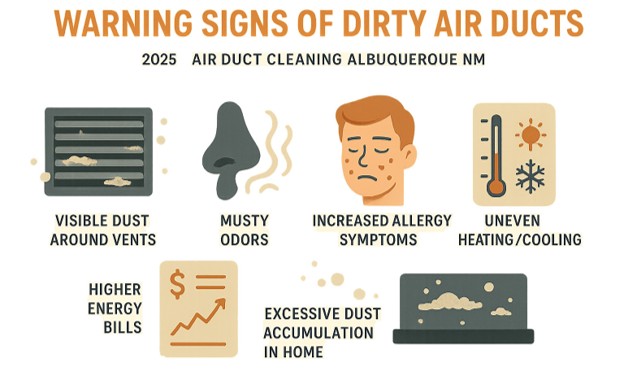
You should also visually inspect vents and accessible duct areas for signs of dust buildup, moisture, or unusual odors. These can be early indicators of deeper issues that may require professional attention.
3. Evaluating Energy Efficiency and Long-Term Operating Costs
Energy efficiency is one of the most important factors to consider when assessing a home’s heating and cooling system. An inefficient system can significantly increase your monthly expenses while also contributing to unnecessary energy waste. For first-time buyers, this can become an ongoing financial burden if not evaluated carefully.
Start by requesting past utility bills from the seller, which can provide valuable insight into the home’s typical energy consumption. This information allows you to estimate future costs and identify whether the system is operating efficiently.
In addition to utility bills, pay attention to efficiency ratings associated with the system. Air conditioners are typically rated using SEER, or Seasonal Energy Efficiency Ratio, while furnaces use AFUE, or Annual Fuel Utilization Efficiency. Higher ratings indicate better performance and lower energy consumption.
However, efficiency is not determined by the HVAC unit alone. The overall insulation of the home plays a major role in retaining heated or cooled air. Poor insulation, drafty windows, and gaps around doors can force the system to work harder than necessary, reducing its lifespan and increasing energy costs. A well-insulated home, combined with an efficient HVAC system, creates a balanced and cost-effective living environment.
4. Reviewing Maintenance History and Professional Servicing
A heating and cooling system is only as reliable as the care it has received over the years. Regular maintenance is essential for ensuring optimal performance, preventing unexpected breakdowns, and extending the lifespan of the system. This makes the maintenance history of the HVAC system a key factor in your evaluation process.
When considering a property, ask for detailed maintenance records. These should include information about annual inspections, routine servicing, filter replacements, and any repairs that have been carried out. A well-documented maintenance history indicates that the homeowner has taken proper care of the system, reducing the likelihood of hidden issues.
If maintenance records are incomplete or unavailable, it is highly recommended to hire a qualified HVAC professional to conduct a thorough inspection before finalizing the purchase. This step can uncover problems that may not be visible during a standard home inspection, such as internal component wear or efficiency issues.
After moving into your new home, you may also consider additional services to enhance system performance and air quality. For example, air duct cleaning spanish fork can be beneficial if the ducts have not been cleaned recently, helping to remove accumulated dust and allergens while improving airflow.
Conclusion
Buying your first home is a significant investment, and ensuring that the heating and cooling system is in good condition is essential for protecting that investment. While it may not be as visually appealing as other features, the HVAC system plays a central role in your daily comfort, energy efficiency, and long-term expenses.
By carefully evaluating the age and condition of the system, inspecting airflow and ductwork, analyzing energy efficiency, and reviewing maintenance history, you can make a well-informed decision that minimizes risks and maximizes value. Taking these steps not only helps you avoid costly surprises but also ensures that your new home provides a comfortable and healthy living environment for years to come.
If you are thinking of Selling click here for a FREE PROPERTY APPRAISAL