Why Your Property Needs Professional Air Purification
Why Your Property Needs Professional Air Purification Standards
Introduction
Most property owners invest plenty of time and resources on visible property updates. New paint, new floors, new fixtures, and new landscaping can spruce up property appearances and attract new occupants. While it is important to invest in property appearances, it is equally important to invest in what occupants breathe. Most property owners are negligent in what occupants breathe. It is often air circulating in every room. This negligence can affect the comfort and health of occupants as well as the property’s long-term value.
Recent trends in property management have emphasized the importance of maintaining good air quality. Good air quality is one of the most important aspects of the property you manage. The properties you manage can be a single-family home, a commercial building, or a portfolio of rental units. Either way, the air quality in your property can affect the health of the occupants. Air quality can be comprised of many things. Dust, allergens, mold spores, volatile organic compounds, and many other things can affect air quality. These pollutants can build up in air quality and be overlooked. These pollutants can go unnoticed until health complaints and system failures occur.
Professionally set standards of air purification focus on the air quality. Most property owners think of air quality last. The property owners think of air quality first because they care about their tenants. Property owners care about their tenants because healthy air quality is a reason tenants pay to occupy. This article describes why air purification standards are important as well as the practices that go with the standards. The other reason this article focuses on air purification standards is because of the positive effects these standards can have on your property. The effects can be from a property that is not worth occupying to a property that is paying for itself.
Section 1: The Hidden Cost of Poor Indoor Air Quality
It’s typical to assume the air inside the home or office is just as clean as the space itself. Unfortunately, that assumption can’t be relied on. According to the findings of the Environmental Protection Agency, the air indoors can be more polluted than air found outdoors by 2–5 times depending on the building’s materials and the ventilation and use of the space. Contaminants get trapped in enclosed spaces, not dispersed, meaning that pollutants will get trapped even more.
Dust mites, pet dander, pollen, mold spores, bacteria, viruses, and chemical emissions brought in by paints, cleaning supplies, and furniture are all examples of common pollutants found in the air indoors. These can all be found in a building’s ventilation system, settling in fabrics and carpets and even in the lungs of the building’s occupants. Long-term exposure to these pollutants can be anything from mildly irritating headaches and fatigue to serious and involve respiratory problems like asthma and chronic sinus and bronchitis problems.
Poor air quality can threaten the health of the building’s occupants. It also can have costly effects. Poor air quality damages HVAC systems with the need for constant filtering and cleaning. Air quality in a business setting deteriorates the workplace with absenteeism and loss of productivity. It can even result in legal claims from tenants and employees who have suffered health problems from working in a polluted environment.
Property owners neglecting air quality end up with more problems to deal with. Tenant complaints regarding a musty smell or the allergies among tenants are a sign that a problem is just getting worse. These issues end up being costly. Setting standards for professional air purification will help avoid these problems.
Section 2. What It Means to Have Professional Standards for Air Purification
Quality air purification is a system. It includes an array of solutions including specialized air purification systems, air quality monitoring, system maintenance, and more. The quality and functionality of the air purification system is directly related to the solutions a property owner is able to procure.
Air Purification Systems
An air purification solution always starts with an air filtration system. The quality of air filtration systems is graded by the MERV Scale. MERV stands for Minimum Efficiency Reporting Value. Systems with a high MERV rating are able to filter out smaller particles and even some viruses. The tradeoff, however, is that a high rating will require more pressure to move air through a system. An air purification system should be a balance of filtration and system pressure and a professional will help maintain that balance.
HEPA and Advanced Filtration Technology
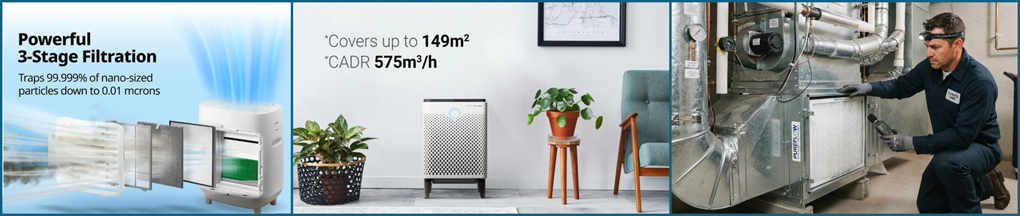
In places like medical facilities, schools, or homes with immunocompromised individuals, air quality needs are even greater. High-Efficiency Particulate Air (HEPA) filters provide an additional layer of air protection. These filters can capture dust, some airborne particles, and even some pathogens. HEPA filters capture 99.97% of particles 0.3 microns and larger. Properties are considering the combination of ultraviolet germicidal irradiation (UVGI) and activated carbon filtration systems. These systems eliminate biological contaminants and odors.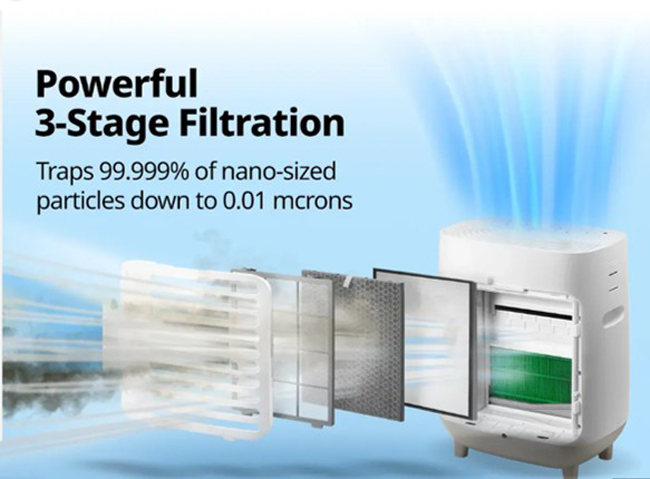
Control of Humidity and Ventilation
Along with the removal of particulate matter, air purification involves the control of moisture. Humidity creates an ideal environment for mold and mildew growth. On the other extreme, dry air can be irritating to the respiratory system and dry building materials. Professional air quality assessments and air system designs incorporate control of air moisture along with the exchange of outside air in order to avoid a constant recirculation of pollutants.
Maintenance of Duct Work
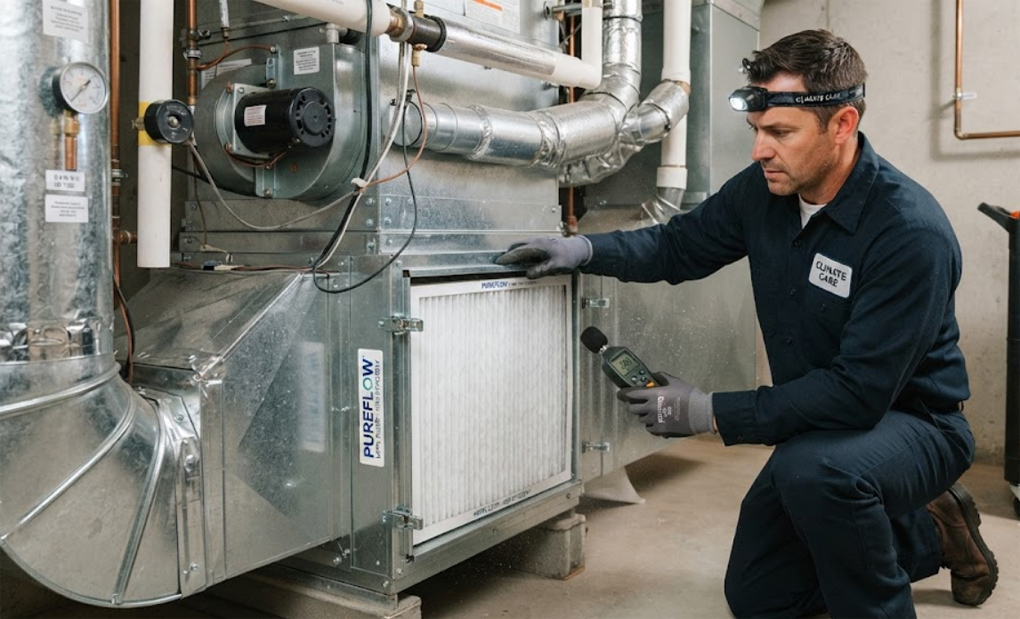
Duct work, even though it is the system that channels all conditioned air through space, is one of the most neglected systems in air care. With time, duct work can hold a significant amount of debris, dust, and microbial growth. There are air duct cleaning services that, when engaged, help to limit the negative air quality that can be caused by the system. Proper filtration and air duct care can greatly improve air quality.
Monitoring & Testing
Air quality management is incorporating more sensors, smart technology, and real-time monitoring. These devices track particulate matter and gas concentrations, and even humidity, in the built environment. Managers can detect issues with the environment before they become visual or olfactory, creating a paradigm shift from reactive to proactive.
Section 3: Tangible Benefits to Property Owners and Occupants
Going beyond the bare minimum to meet professional air purification standards has clear, enduring positive ramifications for a property and its perception.
Healthier Occupants
The direct and most evident beneficiary of clean air is the occupant. Less exposure to irritants and pathogens causes the reduction of respiratory ailments, fatigue, and improves the overall health of the occupant. This is especially true for families with children, the elderly, and those with respiratory ailments.
Greater Property Value
More and more prospective buyers and tenants are looking at properties with clear documented air quality standards and well-maintained HVAC systems. As indoor air quality awareness increases, so do inquiries about a property’s ventilation, filtration, and upkeep records before any leasing or purchase decisions are made. Properties that demonstrate an active approach to air quality have a clear advantage in a competitive market.
Lower Operational Costs
Investing in filtration system upgrades or maintenance has short-term costs, but savings in the future will eclipse that initial spending. Clean, efficient, and dependable systems consume less energy and run longer. Preventative maintenance will protect your investment longer and at a lower cost than replacing a system too early or undergoing emergency repairs.
Regulations and Insurance
Commercial real estate can have particular advantages when they meet or exceed air quality levels required by ASHRAE Standards because it can increase value to the property and limit or lower liability and insurance costs. In some cases, it may even qualify the property for a green building.
Reputation
Having a reputation for maintaining healthy, well-ventilated spaces can be a significant differentiator for landlords and property managers. Spaces that have a reputation for air quality and ventilation issues coupled with HVAC breakdowns will struggle to retain tenants.
Section 4: Building a Sustainable Air Quality Strategy
There is no end to the investment in establishing a threshold of professional air quality standards. These standards evolve with the needs of the property, occupancy, and even the seasons. Property owners can implement the following to ensure a strategy that will endure.
Establish a Baseline Assessment
Understanding the current state of the air quality in a given property is important before any interventions are implemented. Professional assessments can help locate specific problem areas such as high room humidity or outdated ventilation, as well as pinpoint existing contaminants and evaluate the performance of the property’s HVAC system.
Create Consistent Maintenance Intervals
Consistent replacement of HVAC filters is important. The frequency of replacement is advised to be every 1-3 months and is determined in part by the usage and type of filter. HVAC systems should be assessed and serviced by a professional at least twice a year (preferably during the seasonal transition months before the summer and winter, when the systems are expected to be used the most).
Prioritize Based on Property Type
Single family homes and multi-family housing (or commercial) properties have different air quality management needs (or requirements). Typically, multi-family and commercial properties with larger and more complex ventilation systems require more frequent professional air quality servicing and assessments.
Inform Stakeholders (Occupants)
Trust and cooperation are developed by informing participants on the interventions and maintenance of air quality. Keeping tenants or employees informed and demonstrating concern for their comfort through filter and maintenance notifications are good places to start.
Investing in the Right Technology
Every property has specific air quality needs. Challenges differ based on property size, occupancy, and other factors. For that reason, there isn’t a one-size-fits-all solution for property management. An expert HVAC consultant can help property owners make cost effective, appropriate choices by identifying the best filtration systems, monitoring technologies, and other tools that best fill the gaps in a property’s air quality management systems.
Conclusion
Given the impact of air quality on health, finances, and reputation, property owners are realizing that the air in their properties should not be managed by guesswork. Professional air quality management systems are quickly becoming expectations rather than luxuries. The impacts of improved air quality range from lower operation costs and reduced health impacts to increased property value and positive tenant experiences.
Property owners have the opportunity to manage air quality in a way that makes it a competitive advantage rather than a risk. Property owners that choose to manage air quality are investing in a competitive advantage for the future.
If you are thinking of Selling click here for a FREE PROPERTY APPRAISAL