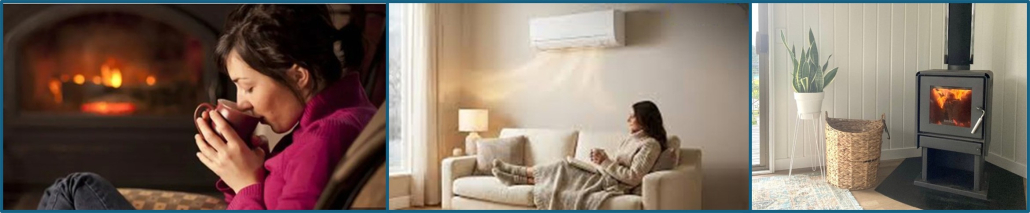
Choosing the Right Heating System
Winter Comfort: Choosing the Right Heating System for Your New Zealand Home
New Zealand winters bring a unique brand of chill that settles deep into the bones, particularly if you live in an older, uninsulated character home or a region prone to biting southerly blasts. From the damp, humid cold of Auckland to the crisp, sub-zero alpine frosts of Central Otago, keeping a Kiwi home warm and dry is a distinct challenge. The right heating system does more than just raise the temperature; it actively combats the country’s notorious indoor dampness, protects your property from mold, and keeps your electricity bills from skyrocketing. Choosing a system requires a careful look at your local climate, your house design, and your daily lifestyle.

Historically, New Zealand homes were built to catch the sun rather than hold heat, relying on single-zone heating like a traditional open fireplace or a standalone plug-in heater. Today, building standards and energy awareness have shifted dramatically, pushing homeowners toward smarter, more sustainable, and highly efficient technologies. Making the wrong choice can lead to a home that feels like an icebox in July, or conversely, a utility bill that strains your winter budget. This guide will walk you through the essential heating options available across the country, helping you select a solution that matches your specific regional needs, architectural style, and long-term financial goals.
Understanding the Unique Kiwi Climate and Housing Challenges
Before diving into specific heating technologies, it is crucial to recognize why heating a New Zealand home requires a tailored approach. A significant portion of the housing stock consists of older villas and bungalows built with native timber but minimal insulation. Even with modern retrofits, the oceanic climate means high outdoor humidity levels, which easily transfer indoors, making the air feel substantially colder than the thermometer indicates. Furthermore, the country spans distinct climate zones, meaning a heating strategy that excels in the subtropical North Island will likely fail to keep a South Island home comfortable when winter hits its peak.
To get the absolute most out of any heating system you install, your home must first be prepared to hold that heat. The government’s Healthy Homes Standards have highlighted the absolute necessity of underfloor and ceiling insulation, ground moisture barriers, and proper draft proofing. If your home loses heat through unsealed windows and thin walls, even the most expensive system will run continuously, wasting energy and money. Think of insulation as the thermal envelope and your heating system as the engine; you need both working in perfect harmony to achieve a truly dry, comfortable, and energy-efficient living environment throughout the coldest months of the year.
Heat Pumps and High-Wall Split Systems: The Modern Standard
Heat pumps have fast become the default heating choice for modern Kiwi homes, and for good reason. They are incredibly efficient because they do not actually create heat; instead, they extract ambient heat from the outside air and transfer it indoors. Even on freezing winter nights, there is still heat energy available in the outdoor air that a quality unit can capture. This process makes them remarkably cost-effective, often delivering three to four kilowatts of warming energy for every single kilowatt of electricity they consume, a ratio that traditional radiant heaters simply cannot match.

Beyond pure efficiency, high-wall split systems offer unparalleled convenience and versatility for busy households. They provide instant warmth at the touch of a button, precise thermostat control, programmable timers, and the added benefit of dehumidification to help strip moisture from damp morning air. In addition, they double as air conditioners during humid summer months, providing year-round value. When choosing a heat pump, it is vital to select a unit rated specifically for your local winter temperatures, as some models lose efficiency when outdoor conditions drop below zero, making professional sizing and placement essential for optimal performance.
Ducted Central Heating: Whole-Home Comfort Unlocked
If your goal is uniform warmth across every single room without the aesthetic clutter of individual wall units, a ducted central heating system is the ultimate solution. This system utilizes a powerful central heat pump unit, typically hidden away in the roof space or under the floor, to distribute warm air through a network of insulated ducts to subtle vents in the ceiling or floor. This eliminates the common Kiwi problem of a tropical living room paired with an icy, uninviting hallway and freezing bedrooms, creating a seamless thermal environment throughout the entire house.
While the initial installation cost of a ducted system is higher than purchasing a single split system, the long-term lifestyle benefits are substantial. Modern ducted systems feature advanced zoning capabilities, allowing you to turn off heating in unoccupied guest rooms or lower the temperature in bedrooms while keeping living areas perfectly cozy. This targeted control keeps operational costs highly manageable, especially when paired with regular air duct cleaning to maintain system efficiency. For families building a new home or undertaking a major renovation, investing in a ducted system adds significant property value while ensuring that every square meter of the home remains usable and comfortable all winter long.
Wood Burners and Pellet Fires: Traditional Warmth for Large Spaces
For many New Zealanders, nothing quite beats the atmospheric roar and deep, radiant heat of a real fire on a stormy winter night. Modern low-emission wood burners and automated pellet fires remain highly popular choices, particularly in regional areas where firewood is easily accessible or affordable. Unlike older, inefficient open fireplaces that lose most of their heat up the chimney, contemporary certified wood burners are engineered to burn wood incredibly cleanly and retain heat within the home for extended periods, making them excellent for open-plan living.
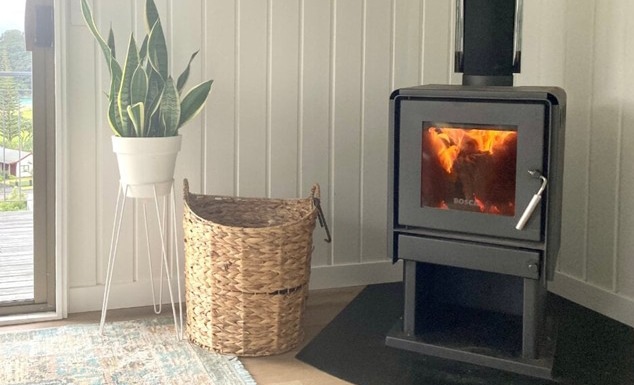
However, operating a wood burner requires a commitment to sourcing, stacking, and seasoning firewood to ensure it stays dry, as burning wet wood creates excessive smoke and reduces heat output. You must also check local regional council regulations, as many urban areas across New Zealand have strict clean-air bylaws that restrict or ban older wood-burning models to manage winter air quality. If you want the ambiance of a fire with greater convenience, a pellet fire is an excellent middle ground, utilizing compressed wood pellets fed automatically via an electric hopper, allowing for push-button ignition and basic temperature control.
Hydronic Underfloor and Radiator Systems: Premium Low-Temperature Heat
Hydronic heating represents the pinnacle of premium indoor comfort, utilizing heated water circulated through a network of pipes to warm your home. This water can be distributed either through pipes embedded directly within a concrete floor slab or connected to stylish wall-mounted radiator panels. Because these systems rely on large surface areas to radiate heat gently upward, they create a incredibly comfortable indoor climate without creating drafts, moving dust around, or drying out the air, making them highly recommended for individuals suffering from asthma or allergies.
The source of heat for a hydronic system is highly adaptable, often utilizing an energy-efficient air-to-water heat pump, a gas boiler, or even a solar water heating setup. Underfloor hydronic systems are best suited for new builds, as installing the pipes into a concrete slab requires early planning during the architectural design phase. For existing character homes, retrofitting wall radiators is a fantastic alternative that preserves the historic look of the property while introducing highly efficient, European-style central heating that turns drafty rooms into warm, inviting sanctuaries.
Conclusion: Making the Right Investment for Your Household
Choosing the ideal heating system for your New Zealand home ultimately comes down to balancing your property’s layout, your local winter climate, and your household budget. A single heat pump might be the perfect, cost-effective solution for a well-insulated apartment or a smaller home in the sunny north, while a large family home in the deep south will almost certainly benefit from the comprehensive coverage of a ducted central system or a hydronic radiator network. Prioritizing energy efficiency and dry air will keep your family healthy and your power bills under control.
Investing in high-quality heating is an investment in your long-term health, daily comfort, and the structural integrity of your home. Before making a final decision, it is highly beneficial to consult with a qualified local heating professional who can perform a detailed heat load calculation based on your specific floor plan and insulation levels. Take the first step toward a cozier, healthier home today by assessing your insulation, identifying your main cold zones, and booking a professional home consultation to ensure your household stays perfectly warm this winter and for many seasons to come.
By Sara Air Duct Cleaning Services
If you are thinking of Selling click here for a FREE PROPERTY APPRAISAL