A Neighborhood Guide for First-Time Home Buyers
Exploring Northland: A Neighborhood Guide for First-Time Home Buyers and Travelers
Introduction
Northland is one of those places that quietly earns a reputation among people who know how to look beyond the obvious. Whether you are a first-time home buyer searching for a community that balances affordability with lifestyle, or a traveler seeking an experience that goes beyond tourist hotspots, Northland delivers on both fronts. Stretching across a diverse landscape of coastal towns, rural villages, and small urban centers, this region offers something that is increasingly rare in today’s property market and travel circuit: authenticity.
For home buyers, the appeal lies in the combination of competitive pricing, growing infrastructure, and a strong sense of community. For travelers, it is the unhurried pace, the stunning natural scenery, and the rich cultural heritage that make every visit memorable. This guide walks you through the neighborhoods, the property landscape, the lifestyle, and the practical details you need to know before making your move or booking your next trip.
Understanding Northland’s Neighborhood Character
One of the first things you will notice about Northland is how distinctly each neighborhood carries its own personality. Unlike larger metropolitan areas where suburbs can blur into one another, Northland’s communities tend to have a clear sense of identity, shaped by their geography, history, and the people who have called them home for generations.
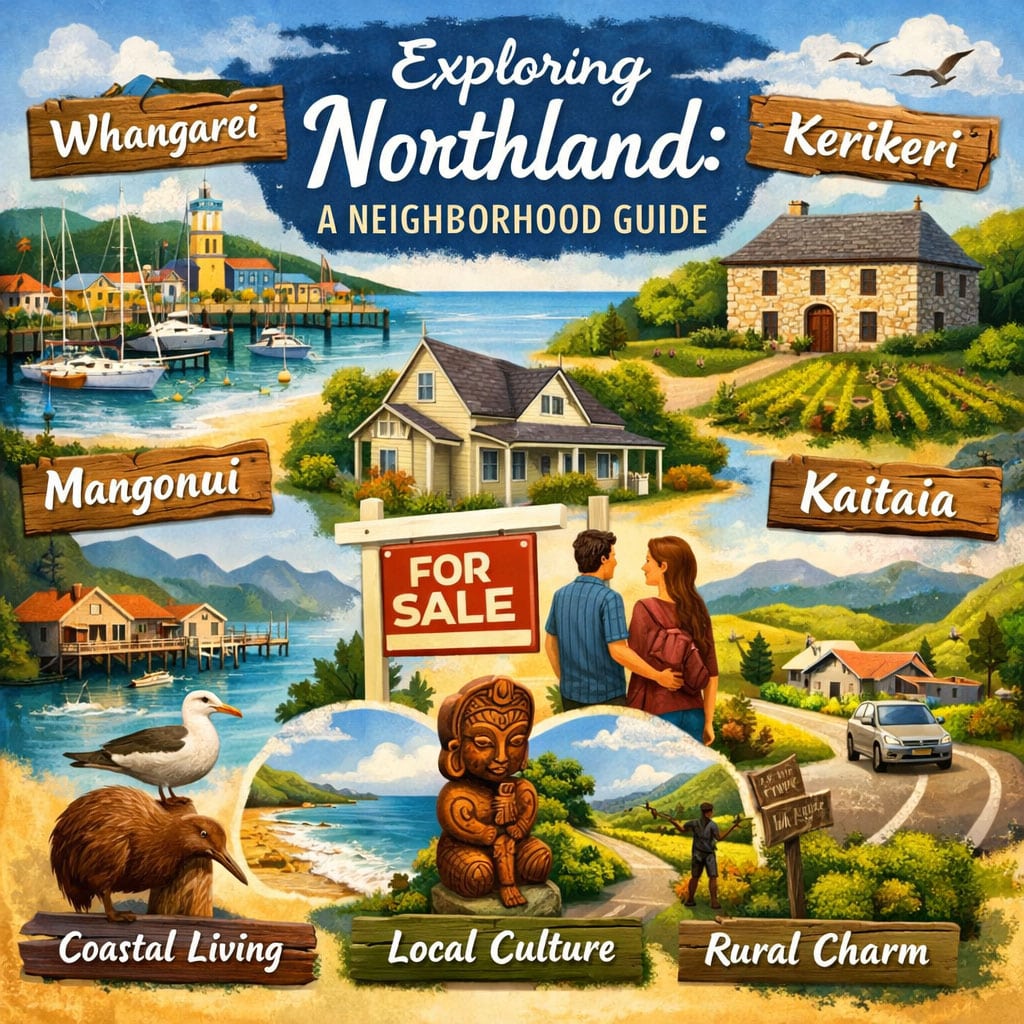
Whangarei, the region’s main urban center, is a natural starting point for anyone exploring Northland seriously. It offers the amenities you would expect from a functioning city, including schools, hospitals, shopping precincts, and a growing dining scene, while maintaining the relaxed atmosphere that defines the broader region. The town basin area, in particular, has undergone thoughtful redevelopment over the past decade, attracting young professionals and families who want walkability without sacrificing space.
Further north, the communities shift in character. Kerikeri has become something of a lifestyle destination, popular with retirees, artists, and those who work remotely. The town is surrounded by orchards and vineyards, and its historic precinct draws visitors year-round. Mangonui, with its picturesque harbor, attracts those who prioritize coastal living, while Kaitaia serves as the functional gateway to the Far North, offering more affordable property options for buyers willing to embrace a frontier-like quietness.
For travelers, each of these neighborhoods rewards slow exploration. A morning wandering through Kerikeri’s stone store and mission house precinct tells a story of early settler history that no museum exhibit could replicate with the same impact.
What First-Time Home Buyers Need to Know
Northland has long been considered one of New Zealand’s more accessible property markets, particularly for first-time buyers who find themselves priced out of Auckland and other major centers. That dynamic remains relevant today, though the market has evolved considerably and requires a more strategic approach than it did even five years ago.
Property prices in Whangarei have risen steadily, driven by both internal demand and migration from larger cities. However, when compared to Auckland’s median figures, Whangarei still represents a meaningful entry point. Buyers who are flexible about property type, whether a townhouse near the CBD or a larger section on the city’s fringe, will find the most options.
The Far North district offers some of the most affordable land and housing in the country, but buyers should approach these areas with eyes open. Infrastructure investment is ongoing rather than complete, and connectivity, both in terms of roads and broadband, can vary significantly depending on exact location. That said, many buyers have found real value in purchasing land early in areas where development is expected over the coming years.
A few key considerations for first-time buyers in Northland:
First, engage a local property lawyer early. Northland has a significant amount of Maori land with specific legal considerations, including land held under Treaty of Waitangi claims. A solicitor with regional experience will help you navigate any title complexities before they become problems.
Second, factor in the cost of commuting or remote working infrastructure if you are buying in a rural area. While the lifestyle benefits are genuine, the practical realities of distance need to be planned for rather than discovered after settlement.
Third, inspect properties thoroughly with attention to moisture and weatherproofing. Northland’s subtropical climate is one of its most appealing features, but it also means that buildings not properly maintained can develop issues faster than in drier climates. A thorough pre-purchase building inspection is not optional here; it is essential.
Lifestyle, Culture, and Community Life
What makes Northland genuinely compelling for both residents and visitors is the quality of life that the region quietly delivers. The climate is the most frequently cited factor. With more sunshine hours than virtually anywhere else in the country and mild winters that rarely dip into discomfort, outdoor living is not a weekend luxury but a daily reality.
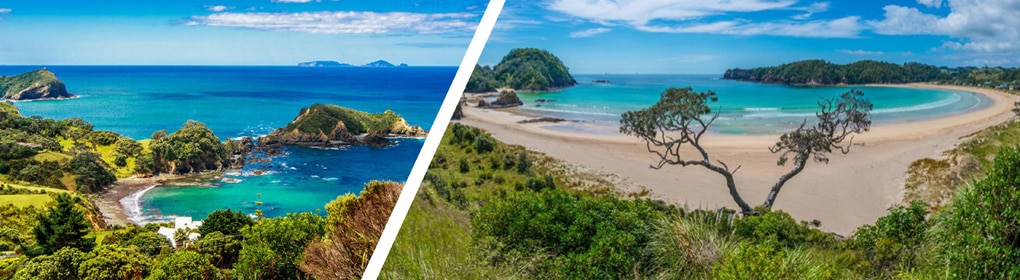
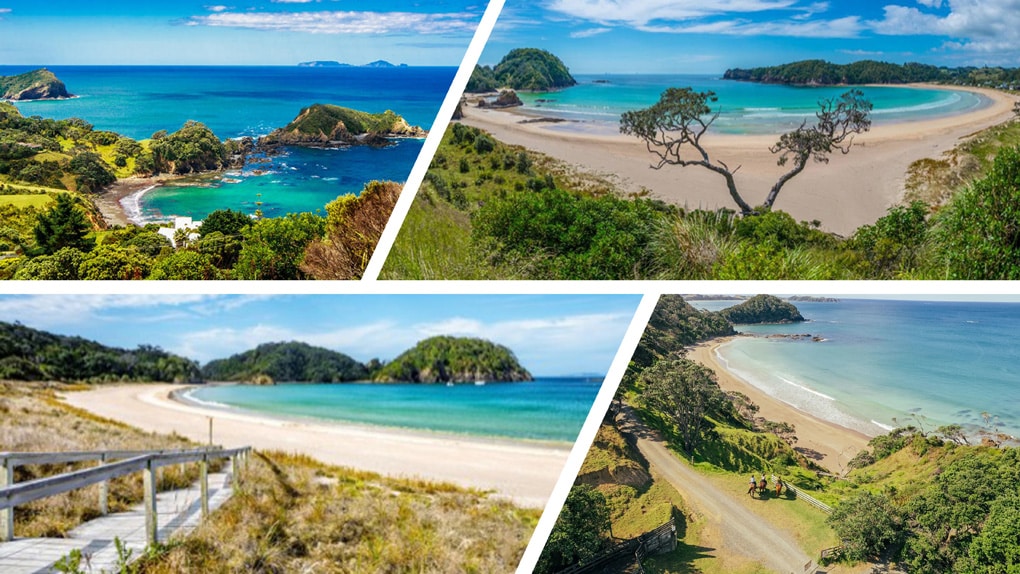
The region’s coastline is arguably its greatest asset. The Bay of Islands alone, with its 144 islands spread across crystalline waters, has attracted visitors for well over a century, and rightly so. Yet the broader Northland coastline extends well beyond this famous stretch. The Karikari Peninsula, Doubtless Bay, and the beaches along the west coast near the Waipoua Forest offer experiences that feel genuinely untouched by mass tourism.
For those interested in Maori culture, Northland is arguably the most significant region in New Zealand. Te Tai Tokerau, as it is known in te reo Maori, is considered the birthplace of the nation. Waitangi, where the Treaty of Waitangi was signed in 1840, remains an active cultural and political site that rewards serious engagement rather than a quick walk-through. Local guided experiences, many of them led by Ngapuhi iwi members, bring this history to life in ways that reshape how you understand the country.
For travelers who are building a broader itinerary, Northland serves as an excellent starting point before heading south. Those who combine it with other parts of the country, including visitors exploring new zealand tours through the North Island, consistently report that Northland delivers some of their most vivid and personally meaningful memories precisely because it has not been packaged and polished for mass consumption.
The arts community in Northland is quietly thriving. Kerikeri, in particular, has a density of studios, galleries, and craft workshops that surprises many first-time visitors. The annual Kerikeri Jazz Festival and various local markets create a cultural calendar that punches above the region’s population weight.
Practical Information for Travelers and Buyers
Getting to Northland is straightforward. Whangarei has a domestic airport with regular flights connecting to Auckland, and the drive north from Auckland takes roughly two to two and a half hours depending on your destination. Hiring a car is strongly recommended for anyone planning to explore beyond the main townships, as public transport options within the region are limited.
Accommodation across Northland covers a wide range, from budget backpacker hostels to luxury lodges with private beach access. The Bay of Islands has the densest concentration of tourism accommodation, but travelers who venture further north will find boutique bed and breakfasts and self-contained holiday homes that offer a more immersive experience.
For home buyers who are visiting the region before committing to a purchase, spending at least a week across different neighborhoods is a worthwhile investment of time. Visiting during different weather conditions, talking to local business owners, and attending a community event or farmers market will give you a far more accurate picture of what life actually looks and feels like than any online listing or real estate brochure can provide.
Healthcare services are centered in Whangarei, which has the region’s main hospital. Smaller communities have GP clinics and medical centers, but residents in remote parts of the Far North can face longer travel times for specialist care. This is a practical factor worth researching carefully if you or your family have specific healthcare needs.
Schools in Whangarei and Kerikeri are well-regarded, and families with school-age children should research zoning requirements as part of their property search process. Rural areas generally have smaller schools that, while often excellent in terms of teacher-to-student ratios, may lack some specialist programs available in larger centers.
Conclusion and Call to Action
Northland is a region that rewards people who take the time to understand it rather than simply pass through it. For first-time home buyers, it offers a genuine opportunity to enter the property market in a location with lifestyle credentials that many larger cities simply cannot match. For travelers, it offers depth, history, and natural beauty that consistently exceeds expectations.
The key is preparation. Whether you are evaluating a property listing, planning a road trip itinerary, or simply trying to understand whether this region fits your life goals, doing your homework before you arrive will transform your experience from good to genuinely remarkable.
If you are a first-time buyer, take the next step by connecting with a local real estate agent and property lawyer who specialize in the Northland market. If you are a traveler, start building your itinerary with a minimum of five to seven days, and resist the temptation to rush. Northland is a place that opens up slowly and rewards patience. Give it the time it deserves, and it will give you experiences worth carrying for the rest of your life.
If you are thinking of Buying or Selling click here CONTACT TEAM DAVIS