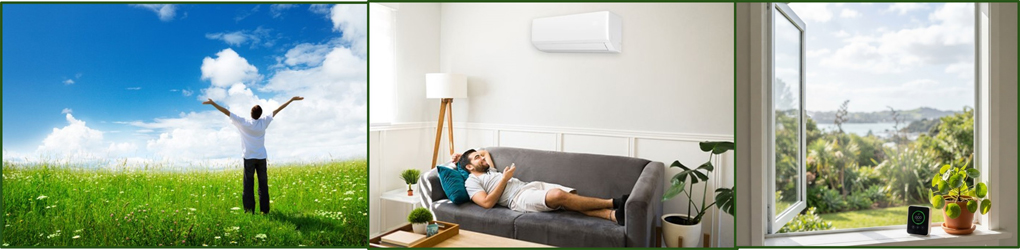
Why Healthy Air Is A Must for Your Next Property
Why Healthy Air Is A Must for Your Next Whangarei Property
Whangarei is a coastal gem that captures the imagination of many potential homeowners. Known for its stunning marina, the breathtaking natural beauty of the Tutukaka Coast, and a relaxed lifestyle that perfectly blends urban convenience with the tranquility of nature, it is no wonder that so many individuals are looking to settle in this beautiful region. Whether you are currently searching for a charming character villa nestled near the peaceful Hatea Loop or you have your heart set on a sleek, contemporary build that offers panoramic views over the harbor, the excitement of purchasing a property often leads buyers to focus exclusively on obvious features such as location, total square footage, and exterior curb appeal.
However, there is one invisible yet critical factor that demands your serious attention before you commit to a purchase or sign a contract: the quality of the indoor air.
Your home is intended to be your personal sanctuary, a place where you can retreat, rest, and recover from the demands of the day. While many prospective buyers prioritize the aesthetic appeal of the view or the efficiency of the floor plan, the actual quality of the air circulating within the structural walls is fundamental to your long-term physical health and daily comfort. In the unique and often challenging climate of Northland, where humidity levels can fluctuate dramatically throughout the seasons and coastal breezes carry salt air that impacts building materials, managing your indoor environment is not merely a luxury; it is an absolute necessity for sustainable living.
This article explores why prioritizing healthy air is essential for your next property investment in Whangarei.
The Invisible Impact of Indoor Air Quality
We spend the vast majority of our lives inside enclosed spaces, which means the air inside our homes is one of the most significant influences on our respiratory health, cognitive function, and general well-being. Poor indoor air quality is frequently referred to as a silent issue because its negative effects are typically cumulative rather than immediate. You might not notice a decline in air quality during a quick, fifteen-minute walk-through of a property, but over months or years of living in a space, inadequate ventilation or the presence of trapped pollutants can lead to persistent fatigue, recurring headaches, and chronic allergy symptoms that lower your quality of life.
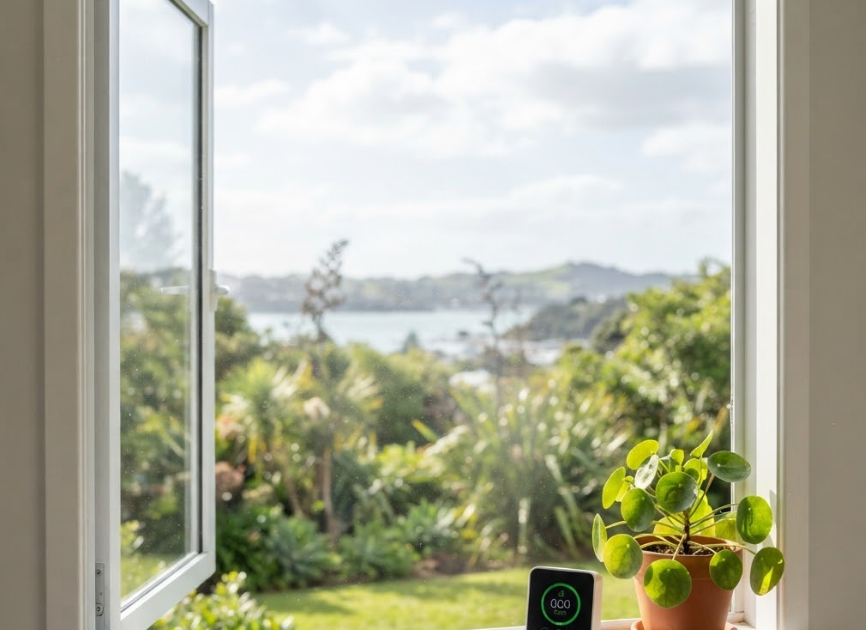
In the specific climate of Whangarei, the temperate conditions and high humidity levels throughout much of the year create a near-perfect environment for biological growth if a property is not managed with extreme care. Moisture can easily accumulate in critical areas such as bathrooms, kitchens, and basements. If a home lacks high-quality extraction systems or sufficient natural airflow, mold and mildew can quickly develop in hidden corners or within wall cavities. These organisms release spores that, when inhaled regularly, pose significant risks to those with asthma, sensitivities, or compromised immune systems. By proactively focusing on air quality during your property search, you are not just checking a box for standard maintenance; you are making a deliberate investment in the daily health of everyone who lives under your roof.
Navigating Northland’s Climate and Property Maintenance
The geographic position of Whangarei is undoubtedly one of its greatest assets, but it also presents specific, localized challenges that every homeowner must understand. Coastal living frequently means constant exposure to salt-laden winds, which can be harsh on exterior paint and materials. Over time, these fine particles can infiltrate a home, potentially affecting soft furnishings, carpets, and even the sensitive internal components of your electronic devices. Furthermore, the high humidity characteristic of Northland means that homes must be meticulously designed to “breathe” effectively to prevent the buildup of stagnant, heavy air.
When you are inspecting potential properties, it is imperative to look far beyond the cosmetic finishes and fresh paint jobs. Take the time to observe the placement of windows and check for genuine cross-ventilation opportunities that would allow air to move through the house freely. A home that allows a steady, gentle flow of fresh sea air is significantly easier to keep healthy than one that remains stagnant and humid. Ask the seller or agent about the history of the home in terms of dampness. Have there been any recent reports of leaking? Are the subfloor areas properly ventilated? Properties that have been neglected in these technical areas often require significant, expensive remedial work to bring them up to a healthy, livable standard. Dealing with these issues early is vital, and you may eventually need to hire professional air duct cleaners to ensure that your HVAC or mechanical ventilation systems are functioning at peak efficiency and are completely free from the buildup of accumulated dust, pollen, or debris.
Designing a Sanctuary of Freshness
Once you have successfully secured your new Whangarei property, maintaining high indoor air quality becomes a proactive, daily habit rather than a one-time project. Designing your home to be a true sanctuary of freshness involves a sophisticated combination of modern technology, natural design solutions, and consistent, disciplined maintenance.
Start your efforts by identifying and addressing the source of most indoor pollutants: moisture and harsh chemicals. Installing high-capacity, quiet-running extraction fans in bathrooms and kitchens is the single most effective way to prevent steam and humidity from settling on your ceilings and walls. In addition to moisture control, be highly mindful of the various products you bring into your home. Modern cleaning agents, synthetic paints, and even certain types of composite furniture can off-gas volatile organic compounds, commonly known as VOCs, which compromise air quality and can irritate your senses. Whenever possible, opt for low-VOC paints and natural, non-toxic cleaning supplies to keep the internal atmosphere of your living spaces crisp and clean.
Natural elements can also play a supporting role in your strategy. While indoor plants are often cited as natural air purifiers, their actual impact in a large living room is somewhat limited; therefore, rely primarily on intentional, daily ventilation habits. Even on cooler or overcast days, creating a cross-breeze by opening windows on opposite sides of the house for just ten minutes can flush out stale air and replace it with fresh, oxygenated air from outside. If you live in a particularly busy part of the city or if you suffer from seasonal pollen sensitivities, consider investing in a high-quality, smart air purifier equipped with a medical-grade HEPA filter. This technology will reliably capture the smaller, invisible particles that natural ventilation might miss, ensuring your indoor air remains pristine.
The Financial and Personal Value of Clean Air
Approaching your property search with a relentless focus on air quality is also an incredibly savvy financial decision. Homes with proven, high-quality, and modern ventilation systems are consistently more attractive to future buyers and potential tenants. As global awareness regarding environmental health and personal wellness continues to increase, home buyers are becoming much more discerning about the structural integrity and health standards of a house. A property that is marketed with the assurance that it has been maintained with air quality in mind will stand out as a premium asset in an increasingly competitive local real estate market.
Beyond the obvious benefits to resale value, consider the immense personal investment you are making in your own longevity. A home that supports good respiratory health reduces the likelihood of illness, lowers long-term medical costs, and significantly increases the joy and relaxation you derive from your private living space. The peace of mind that comes from knowing your domestic environment is clean, dry, and fresh is truly immeasurable. When you wake up in the morning feeling refreshed, energized, and clear-headed, you will understand exactly why focusing on the invisible, technical aspects of your property was the best decision you could have made during the initial purchase process.
Conclusion
Finding the perfect home in the beautiful region of Whangarei is a journey filled with excitement, anticipation, and discovery. As you navigate the many listings and attend various open homes, remember that the most important features of a property are frequently the ones you cannot see at first glance. By prioritizing healthy air, you ensure that your new property is not merely a static structure of wood, glass, and brick, but a living, breathing home that actively supports your health, your comfort, and your overall happiness for many years to come.
Take the time to thoroughly examine the ventilation systems, moisture management protocols, and the overall airflow characteristics of any property you are considering for purchase. Do not be afraid to ask the difficult questions about the home’s history with dampness and carefully evaluate the effectiveness of the existing systems. By making healthy air a non-negotiable requirement in your search criteria, you are setting a rock-solid foundation for a vibrant and healthy life in this stunning part of New Zealand.
If you are thinking of Selling click here for a FREE PROPERTY APPRAISAL