
The Hidden Benefit Of Air Purification
The Hidden Benefit Of Air Purification For Whangarei Homeowners
When people think of air quality, many jump to allergies and dust. While there is some truth to that, there is a more critical reason to consider what you breathe in at home if you live in Whangarei. This reason goes beyond comfort and is about keeping your family healthy in the long run in a region that is hostile to having clean air in your home.
 Whangarei’s subtropical climate is beautiful and a major reason why people love it. The warmth, the humidity, and the coastal breezes are fantastic. Yet, that same climate is the ideal breeding ground for mould, dust mites, and bacteria that go unnoticed for a long time. This article will show you the hidden benefits of air purification. It is vital for every Whangarei home owner to read this, and to know the simple things you can do to improve air quality in your home.
Introduction: More than clean air
Homeowners think they have fresh air if it smells good. That assumption can actually be quite the opposite. Indoor air pollution can be odorless. In fact, this type of air pollution is very dangerous. Evidence from many environmental health studies show that, in many cases, air that we breathe indoors can be more polluted than that which we breathe while outdoors. This is often the case because all the air pollution is trapped indoors and cannot escape.
For Whangarei residents, the humid, subtropical climate poses an additional challenge to the problem of indoor air quality. Homes that are not well-ventilated experience the high moisture air creating an ideal breeding environment for mould and mildew. Add pollen from the lush, local vegetation, salt from the coast, and air pollutants from cooking and cleaning, and you see that the air quality in Whangarei is far from ideal.
A hidden benefit of investing in air purification is not simply that your rooms will smell better. You are actually protecting your respiratory health; you’re sleeping better and even your homes are better protected from structural problems. Let’s break down exactly why this is true and then tell you what you can do about it.
Climate in Whangarei creates a unique air quality challenge unlike most other regions in New Zealand. Whangarei’s climate is warm and humid for most of the year. While this is great for gardens, it poses even more challenges for air quality indoors.

Humidity is the biggest factor. If the air in a home is above 50% moisture for a prolonged period of time, the air is a breeding ground for mould spores that quickly multiply. These mould spores are not visible and cause allergies when they settle. Most people do not notice mould is growing in their home until they notice the smell of it or see it on the walls.
Beyond fungi, Whangarei’s coastal location and geography has homes vulnerable to sea breezes carrying the saltiness of the sea. This isn’t as dangerous as fungi but can erode some materials over time and adds to the already bad air quality in a home, particularly in homes that are near the harour or the sea.
Then, there is also pollen. The vegetation of the region and the mildness of the winters extend the blooming of the vegetation (and release of pollen) for many months compared to the colder regions. This longer period of bloom can worsen allergies and asthma attacks. Especially when the home is ventilated by opening windows to let indoor air out and relieve the warmth and cool the home, the allergens are brought inside.
Combined, these environmental factors mean that Whangarei homes require more active air quality management than homes in dry, cool climates. It is also worth noting that typical ventilation is ineffective to address the challenges this region poses regarding moisture and particles.
Section 2: The Health Connection Most Homeowners Overlook
It is very easy to forget a stuffy room and the occasional sneeze. But studies have proven that poor indoor air quality and the easy to ignore stuffy air are the leading causes of many health issues that will gradually develop over time.
Airborne irritants such as mold spores, dust, and pollen have a direct impact on respiratory conditions such as asthma and bronchitis. Children and elderly family members are more at risk as their respiratory systems are either not fully developed or are more fragile due to age. Homeowners often say family members get sick less often, cough less, and have a less problematic breathing pattern after the quality of the air in the house improves.
The quality of sleep is yet another element that is negatively impacted. Breathing in irritants and allergens can cause nasal passage and throat irritation, leading to a broken sleep cycle and even snoring. You may wake up feeling congested without even having a cold. Poor sleep is the foundation for many other threats to your health. When air quality is improved, your mood and energy is positively impacted along with your focus, which leads to a more productive day.
There is a connection between the quality of the air indoors and skin health that is not as widely known. Increased humidity and mold exposure can lead to skin irritation and flare-up of rashes. Though this connection can be surprising to some, it is highly logical when you consider that our skin is constantly interacting with the air around us.
Research has studied the impact of poor air quality indoors on long-term cardiovascular health. There are many conditions that are negatively impacted, but chronic inflammation from airborne pollutants is believed to be one of the causes. This is truly the reason air purification is an investment in your family’s health and not a luxury.
Section 3: Practical Steps Whangarei Homeowners Can Take Today
Knowing what the problem is just the start. Fortunately, you don’t have to make extensive changes to your house to deal with issues of indoor air. Below are practical, positive alterations you can make.
Purchase a good air purifier. The first step to considering good indoor air quality is a quality air purifier. Not every purifier is a good quality purifier. When looking at which purifier to purchase, choose ones with air filters that are true HEPA. True HEPA purifiers can capture particles with a diameter of 0.3 microns, which are dust and dust mites, as well as pollen and many of the spores/mould. These should be placed in bedrooms and the family’s most frequented common living spaces.
Control humidity. In Whangarei’s climate, it is easy to have high indoor humidity. In addition to air purifiers, a dehumidifier would be a good investment. Keeping your indoor humidity in the 30-50% range would prevent most of the mould’s growing conditions.
Smart Ventilation. Instead of leaving windows open all day, which would mostly trap pollen in the house, try to ventilate the house in the early morning and late in the evening, when pollen is less prevalent. Also, use bathroom and kitchen fans to reduce the unwanted humidity that has been trapped in the house.
Schedule regular maintenance for heating and cooling systems. AC units and heat pumps move air around the home. If filter maintenance isn’t done, these systems become a source of contamination. A neglected filter recirculates dust and mould spores into living areas.
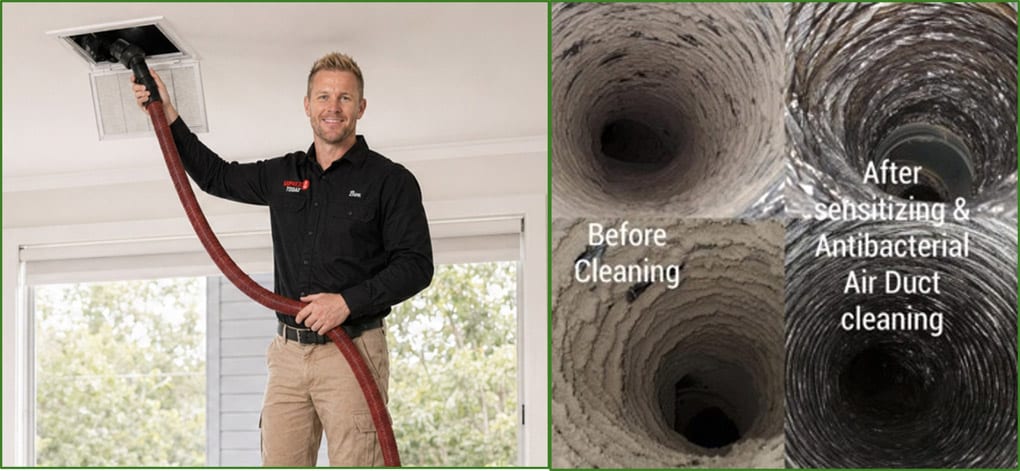
Ducts also need periodic attention. Dust, debris, and mould cling to ducts and can make ducted heating and cooling systems a source of air contamination. Hiring professional air duct cleaners is a good way to improve air quality. This important step is often neglected, especially in homes that are older.
Make careful choices about houseplants. Houseplants are a popular gift because they are said to purify air. However, some houseplants that are overwatered contribute to indoor mould. They also create a source of moisture. Choose plants that require less moisture and are not overwatered.
Section 4: Why This Matters More in Whangarei than Elsewhere
Many people assume air quality issues are similar everywhere, and that the concerns of a Whangarei homeowner would not differ from a homeowner elsewhere in New Zealand. Unfortunately, the accumulation of high humidity conditions, coastal air, and a lengthy growing season for allergenic plants, create truly regional effects.
The bulk of Whangarei’s housing stock includes homes-built decades ago. These homes typically contain older housing ventilation standards. Older homes are also built without the newer standards of moisture control and management. This can make older homes more vulnerable to the indoor air quality issues identified in this article.
The increased amount of people working from home means the amount of people spending long hours indoors has increased as well. Ten years ago, the greater percentage of the working population spent long hours indoors in commercial office buildings. These offices are equipped with commercial-grade ventilation systems. Today, the greater percentage of the working population is spending those long hours indoors at home. This has made the quality of indoor air a more critical factor in the overall health of the population.
Air purification systems have become a more essential element of the home to address the factors affecting air quality and to mitigate the health concerns these factors have created, especially in the Whangarei area.
Conclusion: Breathe Easier, Live Healthier
For Whangarei homeowners, air purification is less about removing air from the home and more about enhancing air quality to improve health and provide better sleep and respiratory health and reduce risk of mould illness.
Whangarei has a warm, humid, and coastal climate that presents challenges that some regions may not face. Understanding this and taking the right actions, such as maintaining and investing in a good air ventilation system, an air purifier, and regulating humidity in the home, gives you the right to choose the quality of the air your family breathes every day.
If you haven’t assessed air quality in your home lately, you should begin that process. You could start this week by measuring the humidity in your home, checking the filters in your air conditioning system, and finding the right air purifying systems that work for your home size and set up. The right, small, and consistent actions will make your home a healthier place to live in the future.
If you are thinking of Selling click here for a FREE PROPERTY APPRAISAL